

As a supplier of 4L motor oil tin cans, I often encounter customers who are concerned about whether the tin cans they receive have been opened before. This is a valid concern, as an opened can may indicate tampering or compromised oil quality. In this blog post, I'll share several methods to help you determine if a 4L motor oil tin can has been previously opened.
1. Inspect the Sealing Mechanism
Most 4L motor oil tin cans are equipped with a sealing mechanism designed to provide visible evidence of opening. There are two common types:
Induction Seals
Induction seals are commonly used on modern motor oil cans. These seals are adhered to the can opening during the manufacturing process using heat induction. When the seal is intact, it forms an airtight barrier over the can.
To check an induction seal:
- Look for a solid, unbroken seal across the top of the can. Any signs of cracking, peeling, or lifting indicate that the seal has been compromised, and the can may have been opened.
- Some induction seals may also have a perforated or scored area that is designed to tear easily when the can is first opened. If this area is already torn, it's a clear sign that the can has been used.
Screw - On Caps with Tamper - Evident Bands
Many older or more traditional motor oil cans use screw - on caps with tamper - evident bands. These bands are located at the base of the cap and are attached to the can.
Here's how to inspect them:
- The tamper - evident band should be intact. If the band is broken, split, or missing, it's likely that the can has been opened.
- Check for any signs of re - attachment. Sometimes, an unscrupulous party may try to re - attach the band to make the can appear unopened. Look for uneven edges or glue marks where the band has been rejoined.
2. Examine the Can's Exterior
The physical condition of the can itself can provide valuable clues about whether it has been opened.
Dents and Scratches
While dents and scratches on the can do not necessarily mean it has been opened, they can sometimes indicate rough handling that could have facilitated unauthorized access.
- Look for dents around the lid area. Excessive force used to open the can may cause dents or deformations in this section.
- Scratches near the opening of the can could also be a sign that a tool was used to pry off the seal or open the cap.
Residue and Stains
Motor oil is sticky, and any spillage during the opening process can leave behind residue.
- Check the top of the can, around the cap, and the sides near the opening. If you notice any oily residue, it's a strong indication that the can has been opened.
- Stains on the label or the can body may also suggest that oil has leaked out, which could occur when the can is opened carelessly.
3. Evaluate the Weight and Level of the Contents
The weight and the level of the oil inside the can can offer insights into its integrity.
Weight
A brand - new, full 4L motor oil tin can should have a consistent weight based on the density of the oil.
- Use a scale to weigh the can. Compare the weight to the expected weight of a full 4L can of the specific motor oil. A significant deviation from the expected weight may indicate that some oil has been removed.
- Keep in mind that slight variations in oil density and packaging can cause minor weight differences, but a large variance should raise suspicion.
Oil Level
Transparent or semi - transparent windows on some motor oil cans allow you to check the oil level directly.
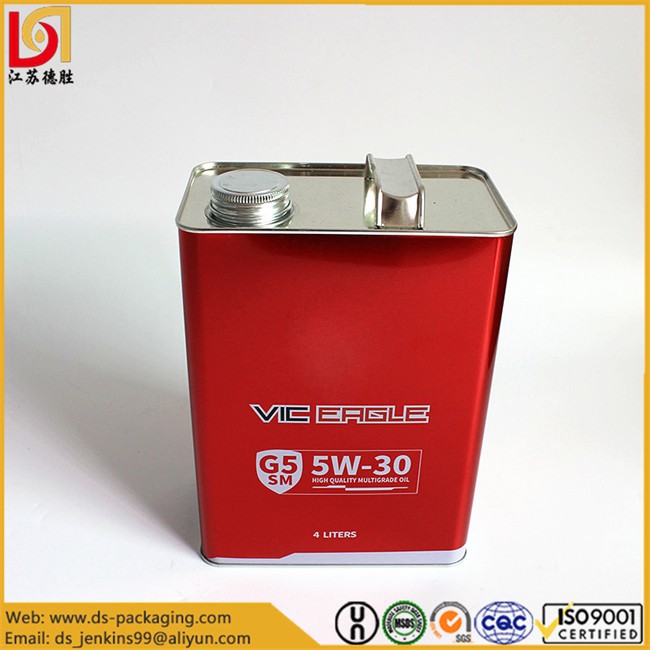
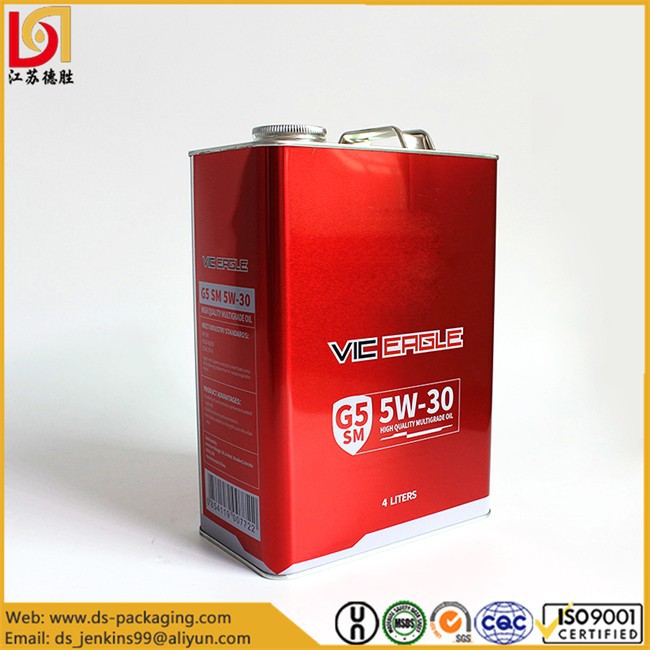
- If such a window is available, look at the oil level. It should be at or near the 4L mark. A lower oil level may suggest that the can has been opened and some oil has been taken out.
- For cans without a visible window, gently shake the can. Listen for the sloshing sound of the oil. If the sloshing seems abnormal or less pronounced than expected, it may indicate a reduced oil volume.
4. Look for Signs of Re - Packaging
In some cases, scammers may try to re - package used oil in new - looking cans.
Label Quality
Examine the label carefully. A genuine, unopened can should have a high - quality label that is firmly attached and printed clearly.
- Look for any signs of poor adhesion, such as bubbles or wrinkles under the label. This could indicate that the label has been removed and re - applied.
- Check the print quality. Faded, smudged, or misaligned labels may suggest a re - packaging attempt.
Can Seams
Inspect the seams of the can. The seams on a new can should be smooth and well - sealed.
- If the seams appear to have been re - welded or show signs of damage and repair, it's likely that the can has been opened and tampered with.
We offer a wide range of high - quality 4L motor oil tin cans, including 4 Liter Tin Can, Metal Square Cheap Tin Can 4L, and Japan 4 Liter Motor Oil Can. Our products are designed with security features to prevent unauthorized opening and maintain the integrity of the motor oil.
If you're interested in purchasing our 4L motor oil tin cans or have any questions about their quality and security, feel free to reach out to us for further discussion. We are committed to providing you with the best products and services in the industry.
References
- Packaging Machinery Manufacturers Institute. "Best Practices for Container Sealing and Tamper Evidence."
- ASTM International. "Standards for Packaging and Container Testing."
- Industry reports on motor oil packaging security and quality control.