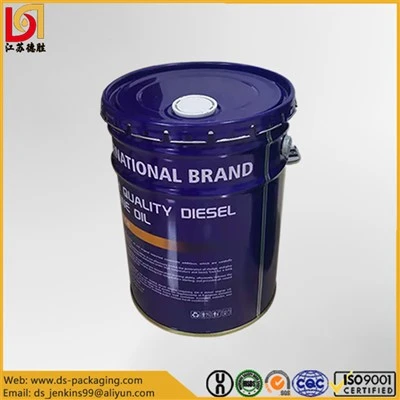
I. Cleaning Steps by Type
1. Water-based Latex Paint Cans: While still wet, rinse 2-3 times with clean water. Fill with clean water and let stand for 2-3 days to soften any residue before rinsing again. For dried cans, soak in hot water, scrape off large pieces of paint with a steel wool/scraper, then scrub with alcohol or thinner to remove any residue. Finally, rinse and let dry.
2. Oil-based Paint Cans: Use organic solvents such as banana oil, gasoline, or turpentine. Mix with water in a 1:1 ratio, pour into a bucket, and scrub. Remove solvent residue with soapy water, then rinse with clean water. Keep away from heat sources and ensure good ventilation throughout the process.
3. Lazy Dry-Tear Method: Once the paint inside the can is completely dry and cured, you can directly peel off the elastic paint layer in one piece by hand. Alternatively, place a used brush in the can beforehand; once the paint dries, you can easily remove the entire piece of paint by lifting the brush head. II. Precautions for Reuse
1. Paint Reuse: Small amounts can be reused directly for continuous application, using the same brand, color, and batch, and without any dried impurities. For color/type changes, paint with dried skin, or storage exceeding 24 hours, thorough cleaning and drying are essential to prevent color differences, particle formation, and deterioration of the new paint.
2. Other Uses: Strictly prohibited from use for holding drinking water, food, or soaking ingredients. Residual chemicals will contaminate food and harm human health. It can be used to store tools, miscellaneous items, or as a storage container.
3. Safety Precautions: Wear rubber gloves and a mask during cleaning to avoid direct skin contact with the solvent. Chemical waste after cleaning must not be poured directly into the sewer and must be disposed of as hazardous waste.